
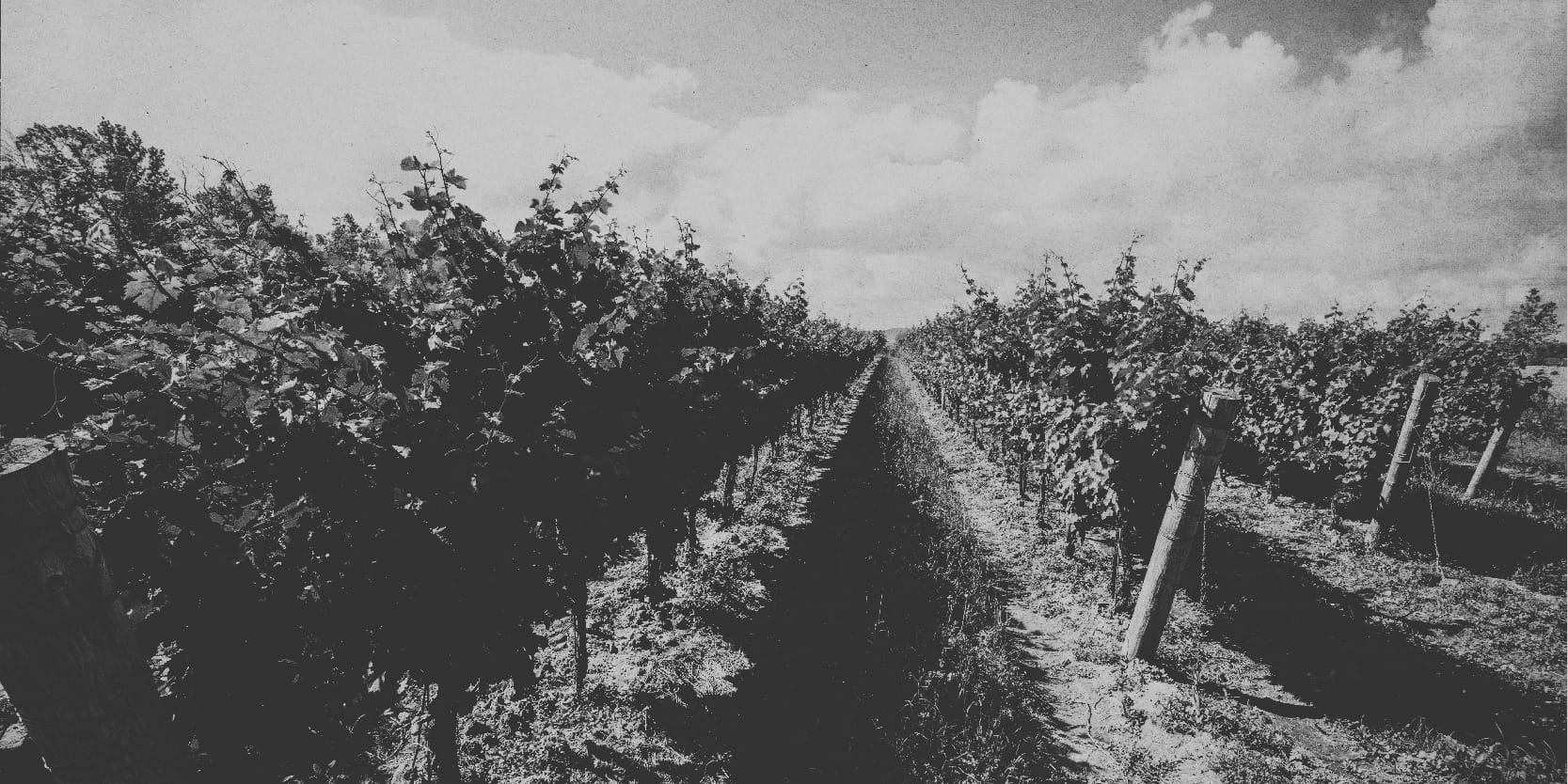
Wine enthusiasts and curious visitors comparing Niagara icewine grapes before a tasting
Vidal vs Riesling: The Grapes Behind Our Icewine
If you have ever swirled a glass of golden dessert wine and wondered what grape was behind it, the Vidal vs Riesling icewine question is a wonderful place to start. These are the two classic grapes of Niagara icewine, and we grow both on our little estate. They share a love of the cold and a knack for turning a hard frost into something rich and sweet, but each one brings its own personality to the glass. Here is how they differ, and why we are glad to pour them both.
Meet Vidal, the Hardy One
Vidal is a hybrid grape, which is a fancy way of saying it was bred to be tough. That toughness is exactly why it has become the workhorse of Canadian icewine. Its thick skins stand up beautifully to a long hang on the vine, holding the fruit safe through the freeze and thaw of a Niagara winter while more delicate grapes might give up.
That resilience pays off in the glass. As a style, Vidal icewine tends to lean rich and generous, with the kind of tropical and stone fruit character that makes people smile on the first sip, all wrapped up in a lush, honeyed sweetness. It is often the bottle that wins people over to icewine in the first place, because it is so easy to love. Because Vidal copes so well with cold, it is also one of the most widely planted icewine grapes in the region.
Meet Riesling, the Elegant One
Riesling comes from a different branch of the family. It is a classic vinifera grape, the same noble species behind so many of the world's great white wines, and it carries a reputation for finesse. Where Vidal is sturdy and generous, Riesling is aromatic and precise.
The signature of Riesling is its acidity. As a style, Riesling icewine pairs that natural sweetness with a bright, mouth watering streak of acid that keeps everything feeling fresh and lifted rather than heavy. You tend to find more citrus and floral notes here, a lacy, perfumed quality that lingers. It is a touch more delicate than Vidal, and many wine lovers prize it for that.
That same acidity is why Riesling icewine has a name for ageing gracefully. Acidity is the backbone that lets a wine evolve over years in the cellar, and Riesling has it in spades. It is the grape for someone who loves a wine with a little tension and a long finish.
How They Differ as Icewine
So how do you sum up the Vidal vs Riesling icewine difference? It comes down to a few simple contrasts.
Vidal is the richer, sweeter, more crowd pleasing of the two. It leans into tropical and stone fruit and a plush texture, and it is endlessly approachable. If you are new to icewine, or you are pouring for a table of friends who are not sure what to expect, Vidal rarely misses.
Riesling is the more delicate and aromatic one, built around high acidity, citrus, and floral notes. It feels more refined and structured, and it is the better bet if you love bright, zippy wines or want a bottle that can age. Side by side, the two grapes show how one winter ritual can produce two very different glasses.
Both are true Niagara classics, and both rely on the same magic of grapes frozen naturally on the vine. The grape is simply where their paths split. If you would like the full story of how the wine is made, our guide to icewine walks you through it from vine to bottle.
Tasting Them at The Hare
This is where it gets fun, because the best way to settle the Vidal vs Riesling icewine debate is to taste them for yourself. Our Icewine is made right here in Niagara-on-the-Lake, so what you taste in the glass is shaped by this one small corner of the region.
We make our icewine in small batches as VQA wine, which is part of why tasting it here feels special. Sitting with a glass where the grapes actually grow gives you a sense of place you simply cannot get any other way. If you would like to know more about the farm and how we work it, you can read about our estate.
A guided tasting is the easiest way to compare the two grapes thoughtfully, and reservations are recommended, so we suggest you reserve a tasting before you visit. We would love to help you find your favourite.
And if one of them wins your heart, our Founders wine club is a lovely way to keep a bit of Niagara-on-the-Lake on your shelf, with tiers starting at $99, $149, and $199. Guests have given us 4.8 stars across more than 847 reviews, and we would be delighted to welcome you in person.
Frequently Asked Questions
What is the difference between Vidal and Riesling icewine? Vidal is a hardy hybrid grape with thick skins, and as a style its icewine tends to be richer and sweeter with tropical and stone fruit character. Riesling is an aromatic vinifera grape with high acidity, so its icewine leans more delicate, with citrus and floral notes and the structure to age well. Both are classic Niagara icewine grapes.
Which icewine is sweeter, Vidal or Riesling? As a general rule, Vidal icewine comes across as the richer and more lushly sweet of the two, while Riesling's higher acidity makes it taste brighter and more balanced. Both are naturally sweet dessert wines, but they express that sweetness differently.
Can I taste both Vidal and Riesling icewine at The Hare Wine Co.? Yes. We grow both grapes on our estate in Niagara-on-the-Lake and make our icewine from them, and a guided tasting is the best way to compare the two side by side. Reservations are recommended, so please reserve a tasting before you visit.
Ready to taste the difference for yourself? Reserve a tasting at The Hare Wine Co. in Niagara-on-the-Lake, or learn more about our icewine and our estate.